Top 10 Roof Ventilation Mistakes That Shorten Your Roof’s Lifespan
Roof ventilation affects how long your shingles last, how healthy your attic stays, and how comfortable your home feels in Oakland County, MI. When it is set up the wrong way, heat and moisture build up under the roof deck, which leads to warped shingles, mold, and ice dams. If you think your home might have issues, talk with our attic ventilation pros before the next hard freeze or summer heat wave rolls in.
Why Roof Ventilation Matters In Oakland County, MI
Our weather is tough on roofs. Winters bring freeze and thaw cycles in Waterford, Clarkston, and Lake Orion. Summers heat up attic spaces in Troy, Rochester Hills, and West Bloomfield. Without a balanced system that lets cool, dry air enter at the soffits and stale, warm air exit near the ridge, your roof works overtime and wears out early. That is why homeowners across Oxford and Birmingham ask Alpine Roofing Complete to review their attic airflow and insulation alignment.
For a deeper look at fundamentals, you can skim our short explainer on roof ventilation basics and then schedule a professional assessment if anything sounds familiar.
Mistake 1: Mixing Exhaust Vent Types
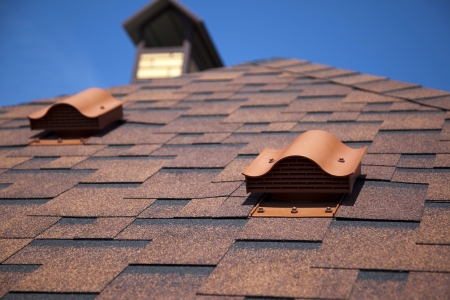
Many roofs use both box vents and a ridge vent at the same time. That seems helpful, but it creates competing exits that pull air from each other instead of from the soffit intakes. The attic never fully clears moisture, and shingles age faster. Never mix different exhaust vent types on the same roof because it interrupts the natural flow.
Mistake 2: Not Enough Intake At The Soffits
Exhaust gets all the attention, yet intake is the engine. Without steady intake, exhaust vents can pull conditioned air from your living space or simply stall. You might see wavy shingle edges or smell a musty odor upstairs. Balanced systems start with clear, continuous soffit vents that feed the ridge.
Mistake 3: Blocking Vents With Insulation
Insulation keeps heat in, but when it slides over the soffit openings, airflow stops. Baffles should keep insulation off the roof deck at the eaves so air can move freely. If the attic is stuffy in summer or you spot frost on nails in winter, blocked intake is a common reason.
Mistake 4: Undersized Or Poorly Placed Ridge Vents
Ridge vents work best along the highest continuous point. Short sections, end caps that never got cut open, or vents tucked below peaks limit exhaust. In neighborhoods with tall trees or frequent drifting, snow can also cover vents if they are not detailed correctly for our climate.
Mistake 5: Relying On Power Fans Alone
Attic fans can help in certain cases, but they often pull air from conditioned rooms instead of from soffits. That wastes energy and may create negative pressure that drags in dust and attic odors. A passive, balanced design usually performs more reliably through four seasons.
Mistake 6: Chasing Ratios Without Looking At The House
Rules of thumb are helpful, but every home is different. Dormers, vaulted ceilings, hip roofs, and additions change how air moves. Manufacturer guidelines and local best practices should be applied to your specific roof shape, not just a simple square-foot calculation.
Mistake 7: Ignoring Ice Dams And Freeze–Thaw
In Oakland County, meltwater can refreeze right at the eaves and build a dam. Poor ventilation lets attic heat collect under the deck, which speeds melting above and refreezing at the edges. Over time, that forces water under shingles and stains ceilings. A tuned system helps your roof stay closer to outdoor temperatures so snow melts evenly.
Mistake 8: Painting, Screening, Or Capping Off Vents
Heavy paint, aftermarket screens, or makeshift covers reduce airflow more than most people expect. They can also trap debris. Keep vents clear and designed for exterior use. If pests are a concern, ask a pro for hardware made for intake locations rather than adding dense mesh that chokes the system.
Mistake 9: Skipping Attic Airflow Checks When Upgrading Insulation
Adding insulation is smart, but it changes how your attic breathes. If you improve R-values without verifying intake and exhaust, moisture gets trapped against the colder roof deck. Pair every insulation project with a ventilation review so the system still balances after the upgrade.
Mistake 10: No Annual Roof And Attic Checkups
The attic tells the story. Rusty nail tips, damp sheathing, or darkened wood show where air is not moving. Spring and fall reviews catch small issues before hot spells or January deep freezes turn them into leaks. Schedule annual roof and attic checkups before winter settles in so you are not surprised by ice dams or musty bedrooms.
How Poor Ventilation Damages Shingles
Trapped heat cooks asphalt and speeds up granule loss. Moisture below the deck swells wood and telegraphs ripples through the shingle field. In cold snaps, frost forms on nails and melts later, feeding slow leaks. Over years, that cycle shortens the roof’s life and can void product warranties if the system is obviously unbalanced.
- Curled or wavy shingle edges, especially near ridges or above bathrooms
- Musty smell upstairs or in closets after rain or thaw
- Frost on attic nails or damp roof sheathing in February
- Thick icicles and ice bands along eaves in West Bloomfield or Troy
- Higher summer cooling bills as attic heat radiates into rooms
Best Practices For Roof Vents In Cold Climates
Oakland County homes see big temperature swings, lake-effect moisture, and wind-driven snow. The goal is steady, gentle airflow from soffit to ridge so the roof deck stays dry and close to outdoor temperatures. That helps prevent ice dams and keeps insulation dry so it can do its job.
- Balance intake and exhaust to prevent negative pressure that can pull indoor air into the attic.
- Use continuous soffit intake paired with a continuous ridge vent when the roof shape allows.
- Keep pathways open with proper baffles so insulation does not cover vents.
- Have a pro verify bath and dryer exhausts terminate outdoors, not into the attic space.
Common Attic Ventilation Problems We See Locally
Homes in Rochester Hills with multiple roof sections often have cut-short ridge vents that never connect. Split-levels in Oxford may have intake on only one side of the house. Older homes in Birmingham sometimes have painted-over soffits that look clean but do not move air. These are fixable issues that start with a careful inspection and a plan tailored to the house.
How To Spot Trouble Before It Spreads
Walk your exterior after storms and thaws. Look for heavy icicles on one side of the house, stained soffits, or shingles that seem to ripple above bathrooms or kitchens. Inside, note seasonal smells or rooms that run hotter than others. If any of that sounds familiar, it is time for a professional review rather than trial and error.
Your Next Step: Get A Pro Assessment
A short attic and roof review from Alpine Roofing Complete can confirm whether intake is clear, exhaust is continuous, and other components are venting outdoors. If changes are needed, we will explain options in plain language and coordinate scheduling around Oakland County weather so the work happens at the right time.
To understand what the service includes and why balance matters, explore our page on roof ventilation services. If you want a broader overview of airflow and attic health, you can also read our quick primer on how roof ventilation works and see how it applies to homes in our area.
Who To Call In Oakland County, MI
When you are ready to protect your roof, connect with roof ventilation in Oakland County, MI specialists who understand our cold snaps, humid summers, and lake-effect storms. Alpine Roofing Complete inspects roofs and attics across Troy, West Bloomfield, Rochester Hills, Clarkston, Waterford, Lake Orion, Oxford, and nearby communities.
Skip guesswork and avoid quick fixes that create bigger problems later. A trusted local team will help you choose the right components for your roof shape, keep pathways clear, and verify that everything works together across all four seasons.
Ready To Protect Your Roof’s Lifespan?
If you notice musty smells, uneven shingle wear, or persistent icicles, let us take a closer look. Call 248-673-9870 to talk with a specialist at Alpine Roofing Complete. You can also review the service details on our attic ventilation page and book a convenient Oakland County appointment today.
Get Service Today!