Hail Damage on Asphalt Shingles: What It Looks Like and When to Call a Roofer
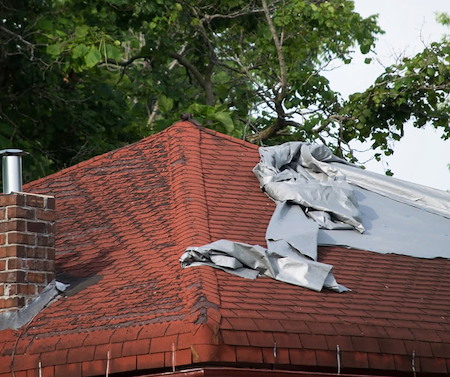
Big Midwest storms can roll across Oakland County with little warning. If your home has asphalt shingles, hail can leave marks that are easy to miss from the street yet serious enough to shorten roof life. This guide explains how hail damages shingles, the signs you can look for from the ground, and the right moment to bring in a roofing contractor. If you want a deeper dive into repair options, explore our page on hail damage repairs to see how Alpine Roofing Complete helps local homeowners after a storm.
Our focus is plain and practical. We cover real-world examples from neighborhoods across Oakland County, including Rochester Hills, Troy, Farmington Hills, Novi, Waterford, and Clarkston. You will learn what asphalt shingle hail damage looks like, how inspections work, and what to discuss with your insurance carrier in Michigan without getting bogged down in jargon.
Why Hail Damages Asphalt Shingles in Michigan Weather
Hail forms when powerful updrafts freeze raindrops into ice, then toss them around until they fall. When ice meets roofing at speed, it can bruise the shingle’s asphalt-coated mat and dislodge protective granules. Wind direction, roof pitch, shingle age, and temperature all change how severe the marks appear. Roofs that face prevailing winds or have older shingles often show more widespread impacts.
Local weather patterns matter. Spring and summer cold fronts in Southeast Michigan can push strong, fast-moving cells across open areas and lakes. That means homes near open fields or along lakeshores may see uneven hail distribution, with one block taking a beating while the next stays mostly clear. Roofing metals like vents and gutters often show dents first, which can be an early clue that shingles deserve a closer look.
Visual Signs Of Hail Damage You Can Spot From The Ground
Do not climb on the roof after a storm. A wet or damaged roof is unsafe. From your driveway or sidewalk, you can still gather useful information for a roofing contractor’s visit.
- Granules piled at downspouts or near the ends of gutters after a storm
- Dark circular spots on visible shingles that look like fresh scuffs
- Dents on soft metals such as downspouts, mailbox tops, or aluminum trim
- Shingle edges that look freshly nicked on the windward side of the house
- Splatter marks on siding or decks where hail knocked off dirt or mildew
If you notice one or more of these, the underlying shingle mat could be bruised. Bruises can allow UV to reach the asphalt, aging the shingle faster over the next seasons. Even pea-sized hail can bruise aging shingles. The damage is not always dramatic on day one, which is why a qualified inspection helps you see the full picture.
What Hail Damage Looks Like Up Close On Asphalt Shingles
From arm’s length, a hail hit on an asphalt shingle often looks like a small, round scuff. The granules are loosened or missing, exposing the darker asphalt below. When pressed by a trained roofer’s thumb, a true hail bruise can feel soft, as if the mat below was compressed. Multiple hits across a slope, especially within a straight wind path, suggest storm-related damage rather than normal wear.
Other telltale signs include:
- Granule “craters” with a faint ring where the impact spread out
- Fine surface cracks radiating from a round mark on colder storm days
- Mat fractures near shingle edges or ridges where the material is thinner
- Dents on shingles directly below a dented vent, pipe boot, or flashing
Not every mark equals hail damage. Algae staining, normal granule loss near gutters, scuffs from foot traffic, and blister pops can look similar at first glance. A licensed roofing contractor will compare slope orientation, hit density, and collateral metal dents to separate storm damage from age or installation wear.
When To Call A Roofing Contractor In Oakland County
Call as soon as you notice post-storm clues like dented gutters, fresh granules at your downspouts, or neighbors booking inspections. Hail damage is time-sensitive because exposed asphalt hardens under UV and weather cycles, which can lead to leaks later. Schedule a prompt roof hail inspection if you notice fresh granules in gutters. Acting early helps you document the condition while marks are still fresh and easier to evaluate.
If a major storm tracks through your area, you may also hear from your insurance agent about next steps. A contractor’s written inspection with photos will help you talk with your carrier. Keep any notes about the date, approximate time of the storm, and what you observed from the ground. That simple record can save time during claim conversations.
Insurance Considerations For Roof Hail Claims In Michigan
Home insurance policies vary by carrier and coverage. In general, insurers want to understand the extent of damage, whether it is consistent with a specific storm event, and whether the roof was in typical condition for its age. A reputable roofing contractor will provide a clear report with photos, slope notes, and collateral metal evidence. That type of documentation supports conversations about insurance roof damage Michigan claims without promising outcomes or quoting rules.
Save receipts for temporary interior cleanup if you had water intrusion, and keep all photos with clear dates. Ask your carrier about their process, time windows, and preferred documentation. A good local roofer can meet with your adjuster on-site to point out representative hits and explain how impacts affect shingle performance over time.
What To Expect During A Professional Roof Hail Inspection
First, the roofer will talk through what you saw during the storm and any areas where you noticed granules or new stains. Next comes a safe, systematic exterior review. The contractor will examine soft metals like vents, flashing, and gutters for impact dents, then check several roof slopes, taking photos of representative hits. If needed, they may look inside the attic for daylight at penetrations or fresh water staining around vents or chimneys.
You should expect a simple, readable summary. It will note slope-by-slope observations, the presence of mat bruising or fractures, and whether other components like ridge caps were affected. The report will also estimate the area involved so you can decide how to proceed. If repairs are recommended, the contractor will explain which components are needed and how work is staged around weather in Southeast Michigan.
For a broader understanding of how our team handles storm follow-ups, you can start at our home base and read more about hail damage roof repair in Oakland County before you schedule a visit.
Local tip: In Michigan, fast-moving cold fronts can deliver short, intense hail bursts. Many insurers prefer prompt reporting after a storm, so take clear, dated photos from the ground as soon as it is safe. Simple documentation now can help streamline any future claim review.
How Local Weather And Neighborhood Factors Affect Your Roof
Oakland County roofs experience four true seasons. Hail can strike in late spring or summer, then the same roof faces fall winds and winter freeze-thaw cycles. That back-to-back exposure can magnify the effect of hail bruises by working loosened granules free over the next months. Homes with tall trees may have fewer direct hits but more branch scuffs. Open subdivisions along higher ground, such as parts of Novi or Orion Township, can see stronger wind-driven impacts.
Nearby lakes also change wind patterns. A storm that hits Waterford’s lakes area may carry hail farther on one side of the shoreline than the other. Neighborhood construction can matter too. New builds reflect and channel wind differently, which sometimes concentrates hail on certain blocks. A local roofing contractor understands these patterns and will check slopes that match the day’s likely wind direction.
Common Myths About Hail Damage On Shingles
Several myths cause homeowners to delay action after a hailstorm. One is that only large, golf-ball hail matters. In reality, the combination of wind speed, shingle age, and temperature can let smaller hail create meaningful bruising. Another myth says that if there is no leak today, there is no damage. Shingles are a protective system. Impacts that knock off granules or crack the mat can shorten their service life even without an immediate leak.
Do not wait for a ceiling stain to appear before seeking help. Early documentation allows you and your carrier to make a decision while the evidence is clear and before weather wears the marks away.
Your Next Steps After A Storm
Once the weather clears, take a calm, careful walk around your home. Look for gutter dents, fresh granules at spouts, and any new scuffs on siding, decks, or outdoor furniture. Snap photos with your phone and note the date. Then contact a trusted local roofer to perform a full roof and exterior inspection, including photos and a written summary you can share with your insurer.
When you are ready to move forward, read about our approach to professional roof hail inspection and see how Alpine Roofing Complete documents findings for Oakland County homeowners.
Why Choose A Local Roofing Contractor You Can Trust
A local expert brings knowledge of Michigan’s building practices and weather cycles. They also understand how hail behaves across Oakland County’s mix of mature-tree neighborhoods and wide-open subdivisions. Working with a nearby team means faster scheduling, easier follow-up, and consistent communication if your insurer requests more detail. You want a company that explains findings clearly, uses photos to show what they see, and respects your time.
For a roof hail inspection in Oakland County, call Alpine Roofing Complete today at 248-673-9870. A straightforward visit now can help protect your roof before another season of weather sets in.
What It Looks Like And When To Call, Summarized
Hail damage on asphalt shingles often appears as round, darkened scuffs where granules are missing and the mat may be bruised. Dented vents, downspouts, and flashing are strong hints. You do not need to climb a ladder or make any repair attempts yourself. Instead, document what you can see from the ground, then bring in a professional who can evaluate all slopes and components with safety in mind.
If you want to talk through options or schedule a visit, reach Alpine Roofing Complete at 248-673-9870. We help homeowners across Oakland County make confident decisions after a storm.
Get Service Today!